Custom Storefronts
For brands and businesses that need an individual storefront with maximum freedom in design, interaction and performance.
Headless Commerce
From Berlin.
We develop headless commerce projects for businesses that need precise control over storefront, product logic, checkout, B2B and integrations — with MedusaJS, custom backends or composable commerce approaches.
WooCommerce and Shopify are strong systems for many commerce projects. But when storefront, product logic, checkout, B2B requirements or integrations need to become significantly more individual, platform-bound shops can reach their limits.
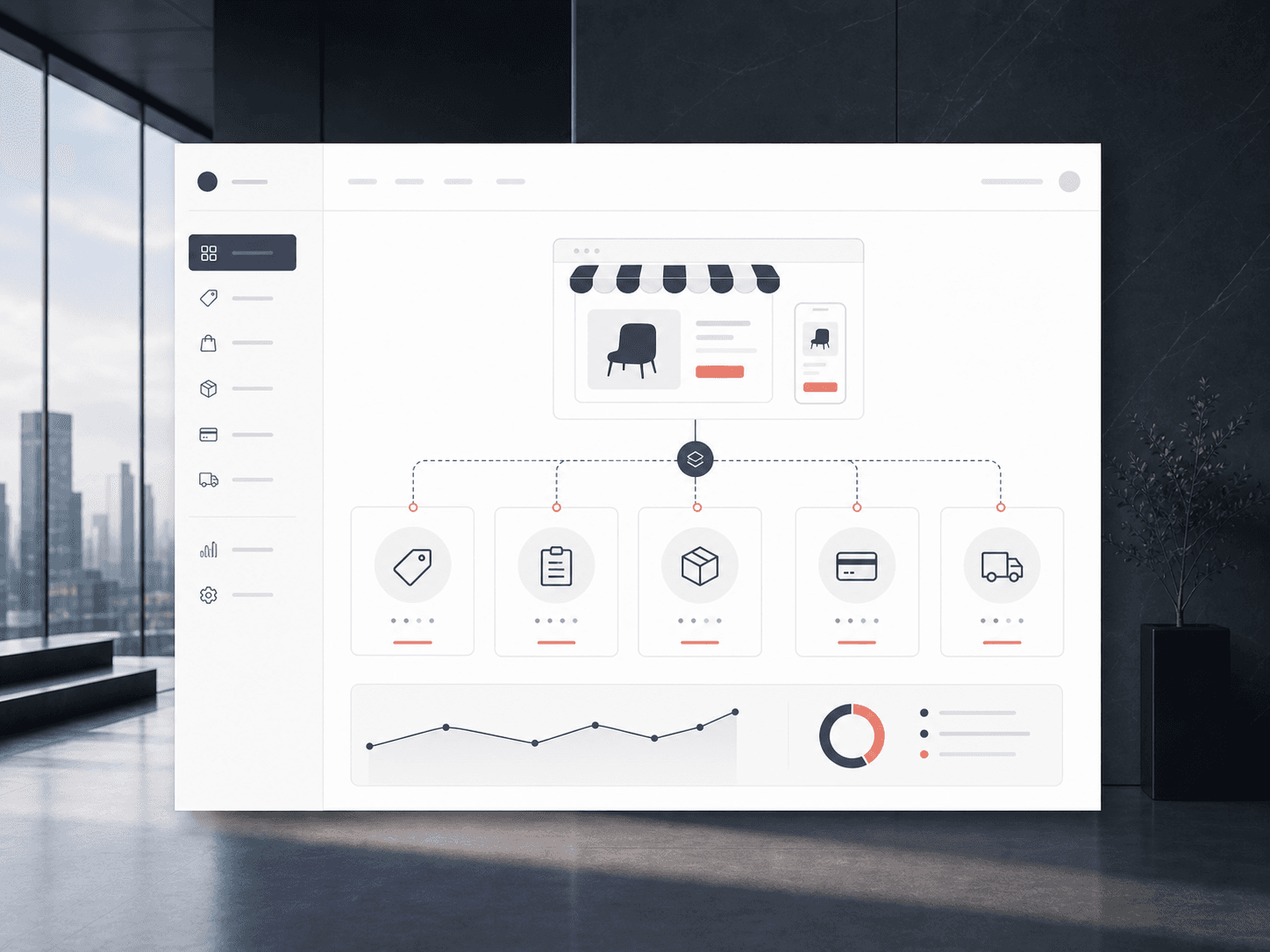
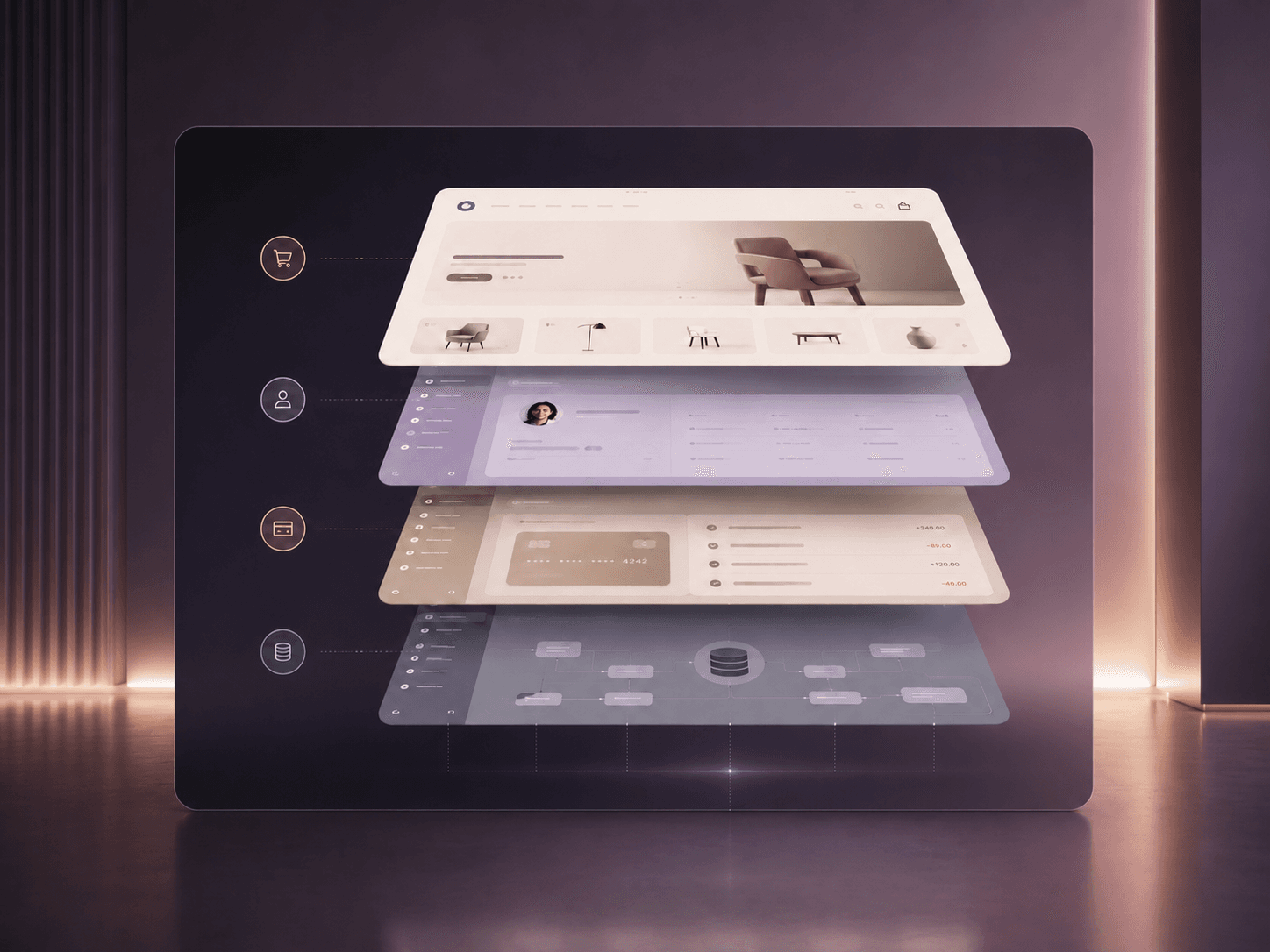
Headless commerce separates frontend and backend and gives both sides more freedom. The storefront becomes an independent web application, while products, orders, payment and integrations are shaped around the business model in the backend. For us, headless is a commerce setup for businesses that want to sell with more strength, flexibility and independence long term.
Headless commerce fits shop projects where design, product logic, checkout, markets or integrations need more room than standard platforms offer.
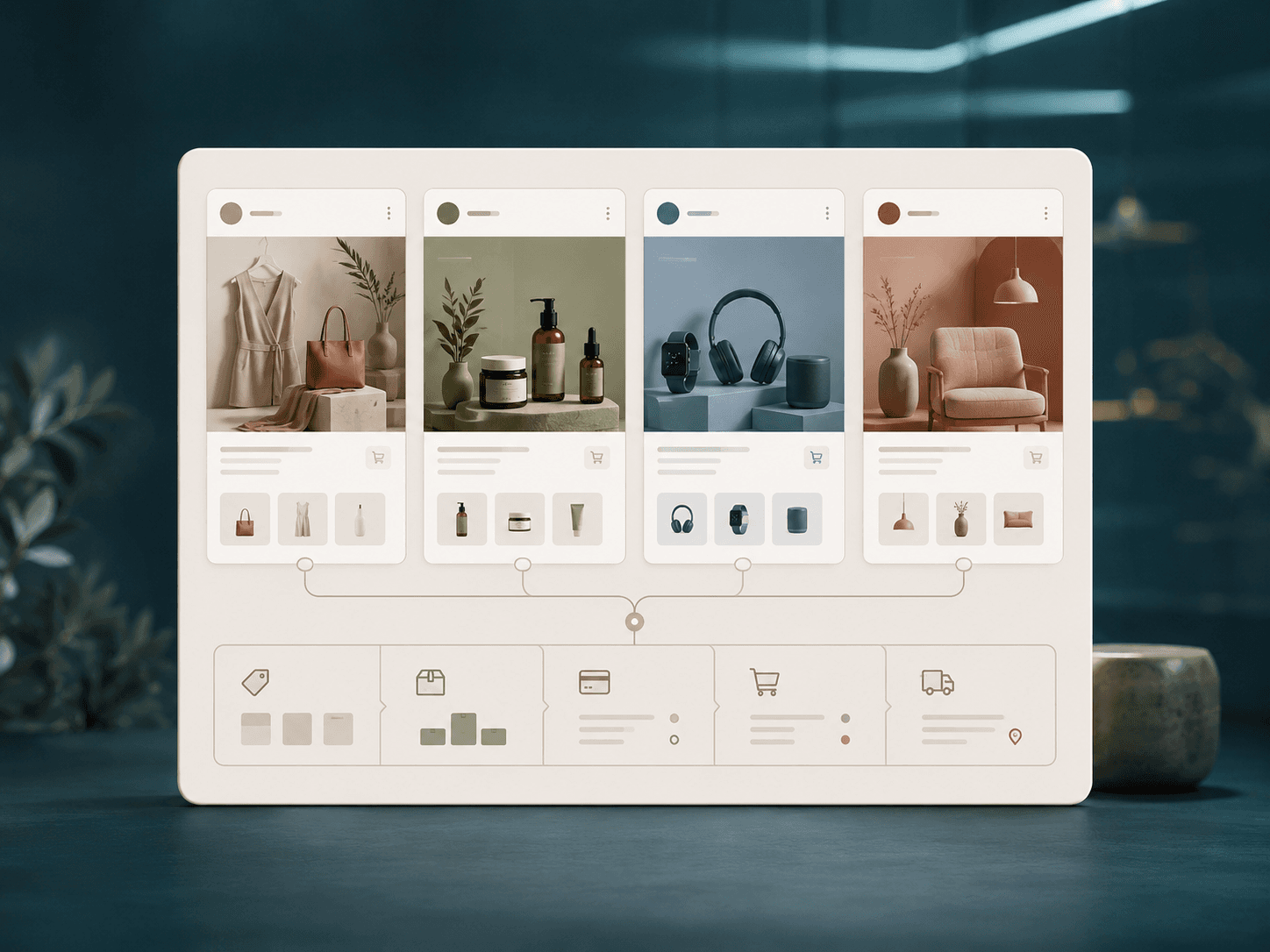
For brands and businesses that need an individual storefront with maximum freedom in design, interaction and performance.
For shops with customer groups, individual price lists, roles, approvals, quote logic, minimum order quantities or specialized order workflows.
For businesses that need to represent multiple markets, languages, currencies, tax zones and regional shipping rules within one commerce architecture.
For product ranges with deep variant structures, attributes, bundles, configurable products, dynamic pricing or specialized inventory logic.
For digital products, subscriptions, marketplaces or services where sales, login, user data, automation and content work as a system.
For shops on Shopify, WooCommerce or other platforms that should be rebuilt with more technical freedom and operated more independently long term.
Headless commerce gives shop projects more freedom in frontend, product logic, checkout and integrations, when the architecture is planned deliberately.
The frontend is built as an independent web application. Design, interaction, performance and user guidance can be shaped independently of the commerce backend.
Variants, pricing models, customer groups, bundles, configurations and inventory rules can be aligned more closely with the actual sales model.
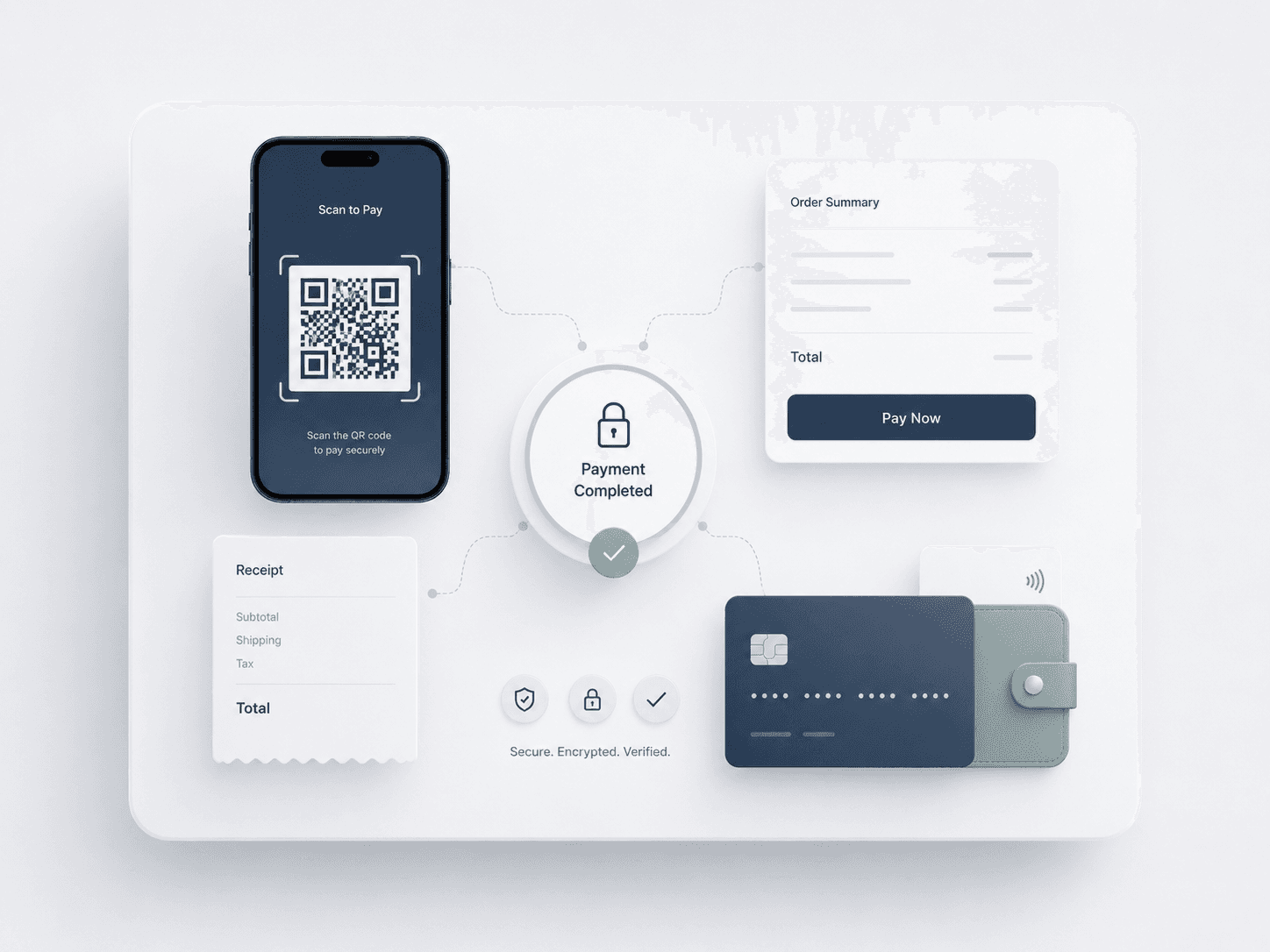
Payment, shipping, taxes, status logic, ERP, PIM, CRM and automation are planned as controlled parts of the commerce architecture.
New markets, channels, product ranges and integrations can be added without rebuilding the existing shop setup.
We support headless commerce projects from strategic positioning through storefront, backend, product data and checkout to integrations and long-term development.
We assess business model, product range, audiences, markets, purchase process and operational requirements before the commerce architecture is decided.
We build performant, independent storefronts that show brand and products with quality and guide users clearly through product world, guidance and purchase process.
Products, customers, regions, pricing, orders, roles and admin processes are set up to fit the business model and operational reality.
Cart, payment methods, shipping logic, taxes, status messages and error states are developed with attention to buyers, trust and operations.
ERP, PIM, CRM, analytics, newsletter, product feeds and automation are connected where they make the shop stronger in daily work.
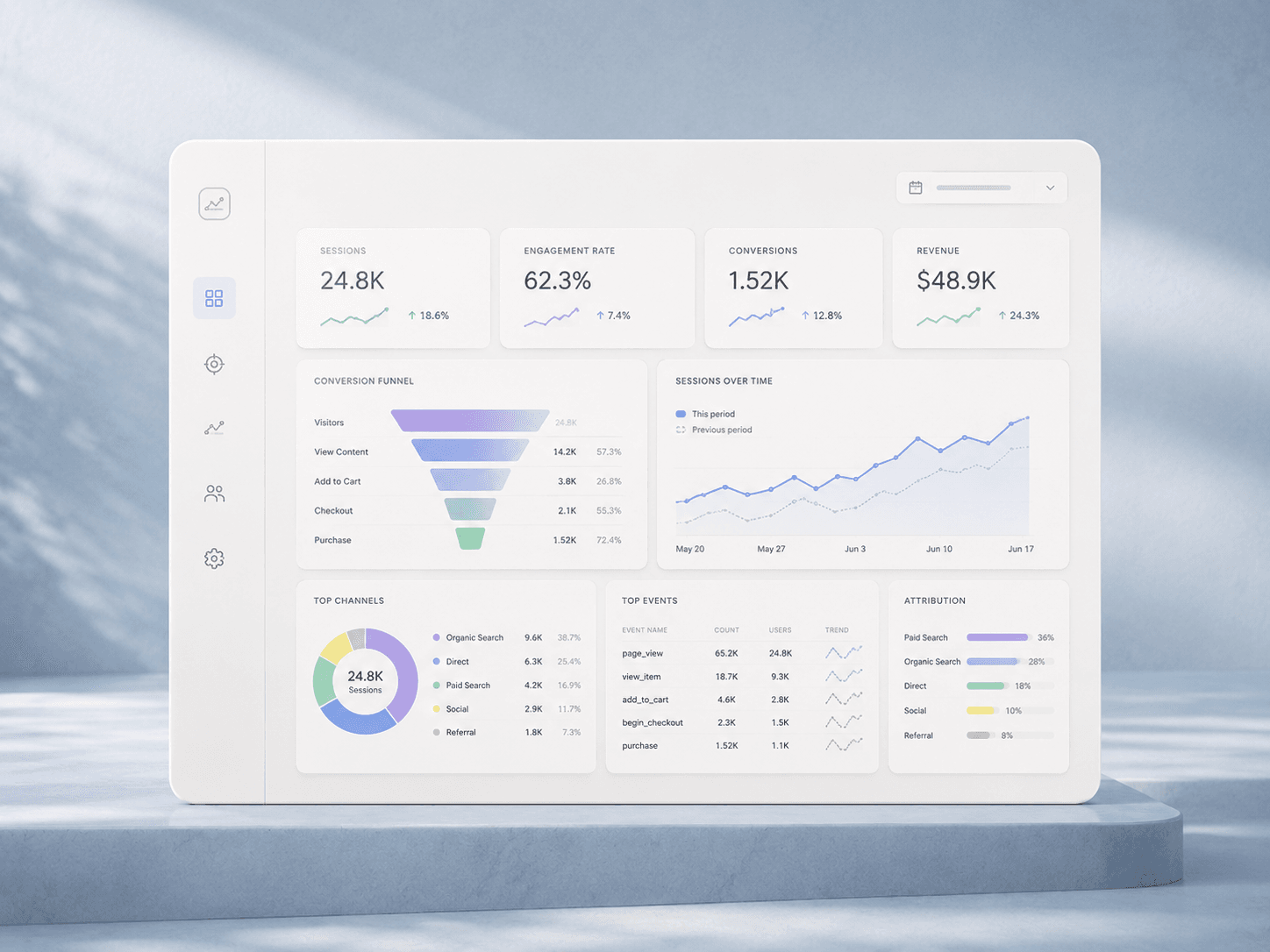
Shop structure, product pages, loading speed, URLs, metadata, structured data, analytics and conversion measurement are included from the start.
Hosting, deployments, monitoring, security, error handling, new features and growing requirements are supported long term.
Headless commerce takes more than technical ability. We combine e-commerce strategy, shop design, backend development and operations with an understanding of the business model and the future of the shop.
We start with product range, markets, audiences, pricing and internal workflows. The commerce architecture emerges from the project, not from a technology decision.
The frontend should show products with quality, guide audiences and make the purchase feel natural. Design and commerce logic work as a shared process.
Product data, order logic, customer groups, payment, shipping, taxes and admin processes are built to remain maintainable and extensible in daily operation.
SEO, product pages, content, tracking and checkout are planned as combined levers for organic growth and stronger sales results.
New markets, product ranges, campaigns, integrations and growing requirements remain part of a commerce system we support long term.
Our work shows what makes headless commerce valuable beyond launch: storefronts, product logic, integrations, checkout, data and reliable operation.
Headless e-commerce separates the visible frontend (storefront) from the commerce backend (products, orders, payment). Both sides communicate through APIs. This gives businesses more freedom in design, product logic, checkout and system integrations.
When storefront, product logic, B2B requirements, checkout or integrations need stronger alignment with the business model than Shopify or WooCommerce allow. For multi-market setups, complex product ranges and platform approaches, headless is often the more sustainable setup.
MedusaJS is our preferred system for many headless commerce projects. Depending on requirements, we also use custom backends, composable commerce approaches or combine specialized services for payment, PIM, search and logistics.
Headless and Shopify address different requirements. Shopify offers a strong standard with fast setup and easy maintenance. Headless gives more control over frontend, logic and integrations, but needs more deliberate planning in architecture and operation. We advise honestly on which setup fits the project.
Customer groups, individual price lists, roles, approvals, quotes, minimum order quantities, regions and specialized order workflows can be planned and developed deliberately with headless commerce.
Effort depends on storefront, product data model, checkout rules, payment, shipping, B2B requirements, integrations, admin processes and operations. Headless commerce is most useful when that freedom is actually needed. We first clarify which requirements justify a headless architecture and which scope makes business sense.
Headless commerce can be a very strong SEO foundation when storefront, shop structure, URLs, metadata, loading speed, structured data and content are built cleanly. The architecture alone does not create visibility. What matters is how consistently technology, content, performance and redirects are implemented.
We handle hosting, monitoring, performance, error resolution, new features, integrations and further development when the operating model calls for ongoing technical responsibility. Headless commerce needs support after launch to keep the shop stable, secure and performing well.
When your shop needs more freedom in storefront, product logic, checkout and integrations, let us assess business model, product range, audiences and the right commerce architecture together.
Start a Headless Commerce ProjectBxW Agency
Wir nutzen notwendige Cookies für den Betrieb der Website. Google Analytics laden wir erst, wenn Sie zustimmen.