Headless Shops
HeadlessStorefrontBrand
For brands and companies that want to connect an individual storefront with a flexible commerce backend.
MedusaJS Commerce
From Berlin.
We develop MedusaJS shops for brands and business models that need more control over storefront, product logic, checkout, B2B, integrations and the path into new markets.
A good shop is more than a product list with checkout. It shows brand and product range, guides audiences through product guidance and purchase decisions, connects product data with internal workflows and needs to run reliably in day-to-day operations.
MedusaJS provides a strong setup for this when commerce needs to be shaped more freely and led more technically. Our view goes beyond storefront and backend: business model, markets, audiences, product logic, content, SEO and operations flow into the planning from the start.
MedusaJS is suited to commerce projects where product range, customer groups, markets, checkout or integrations need more room.
For brands and companies that want to connect an individual storefront with a flexible commerce backend.
For shops with customer groups, individual prices, roles, approvals, quote logic or specific ordering paths.
For product ranges with variants, attributes, bundles, feeds, product logic or connections to PIM and ERP.
For purchase processes with own rules for payment, shipping, tax, regions, status logic or internal workflows.
For markets, languages, currencies and regional requirements that need to be managed cleanly within the shop.
For digital products where sales, login, data, content, automation or services connect into one system.
MedusaJS gives shop projects more room when product logic, storefront, checkout and system connections need to fit the business model more precisely.
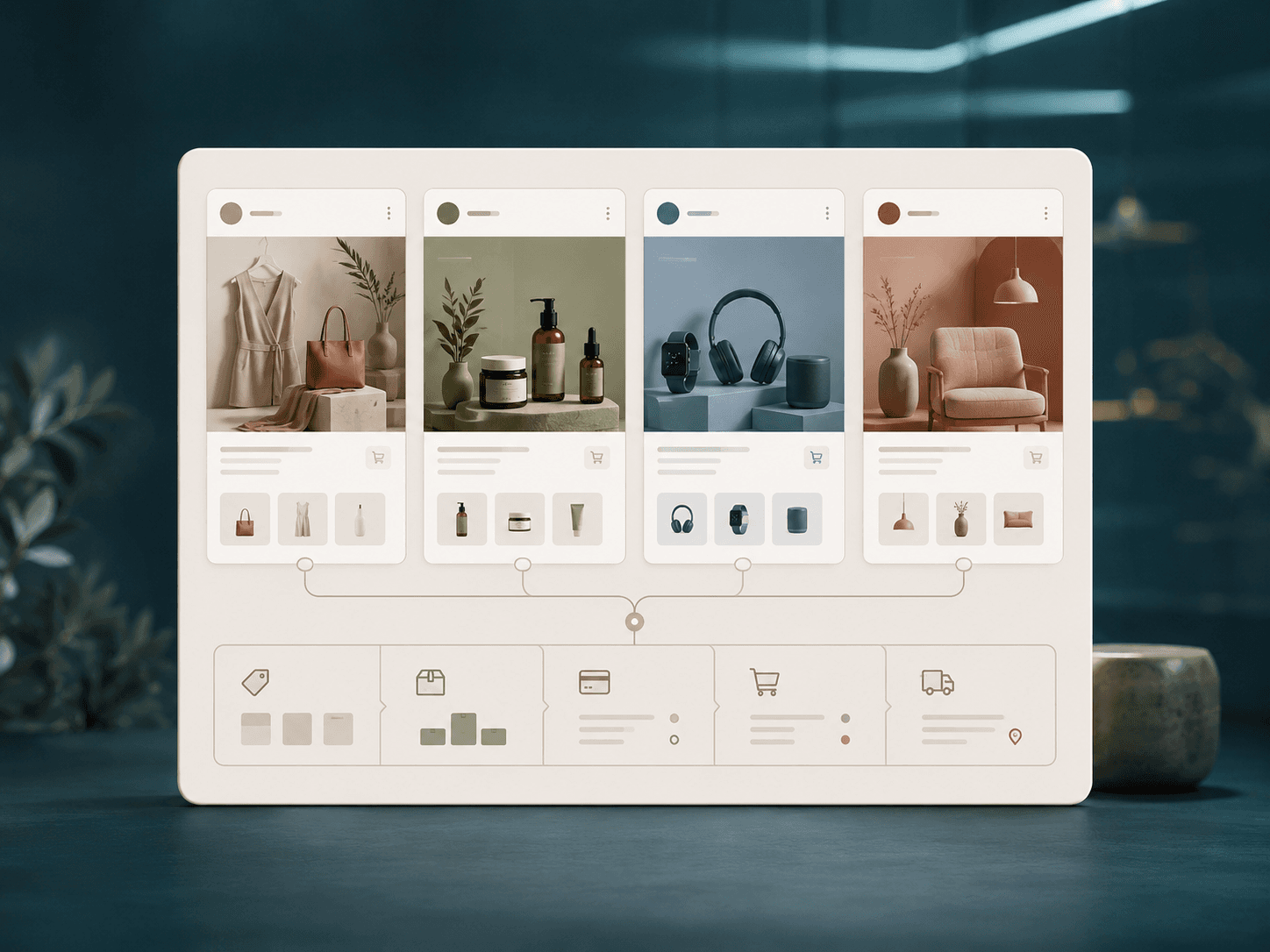
The frontend can be designed and developed independently, so products look strong and the purchase process fits the brand.
Variants, attributes, bundles, prices, regions and customer groups can be aligned more closely with the actual sales model.
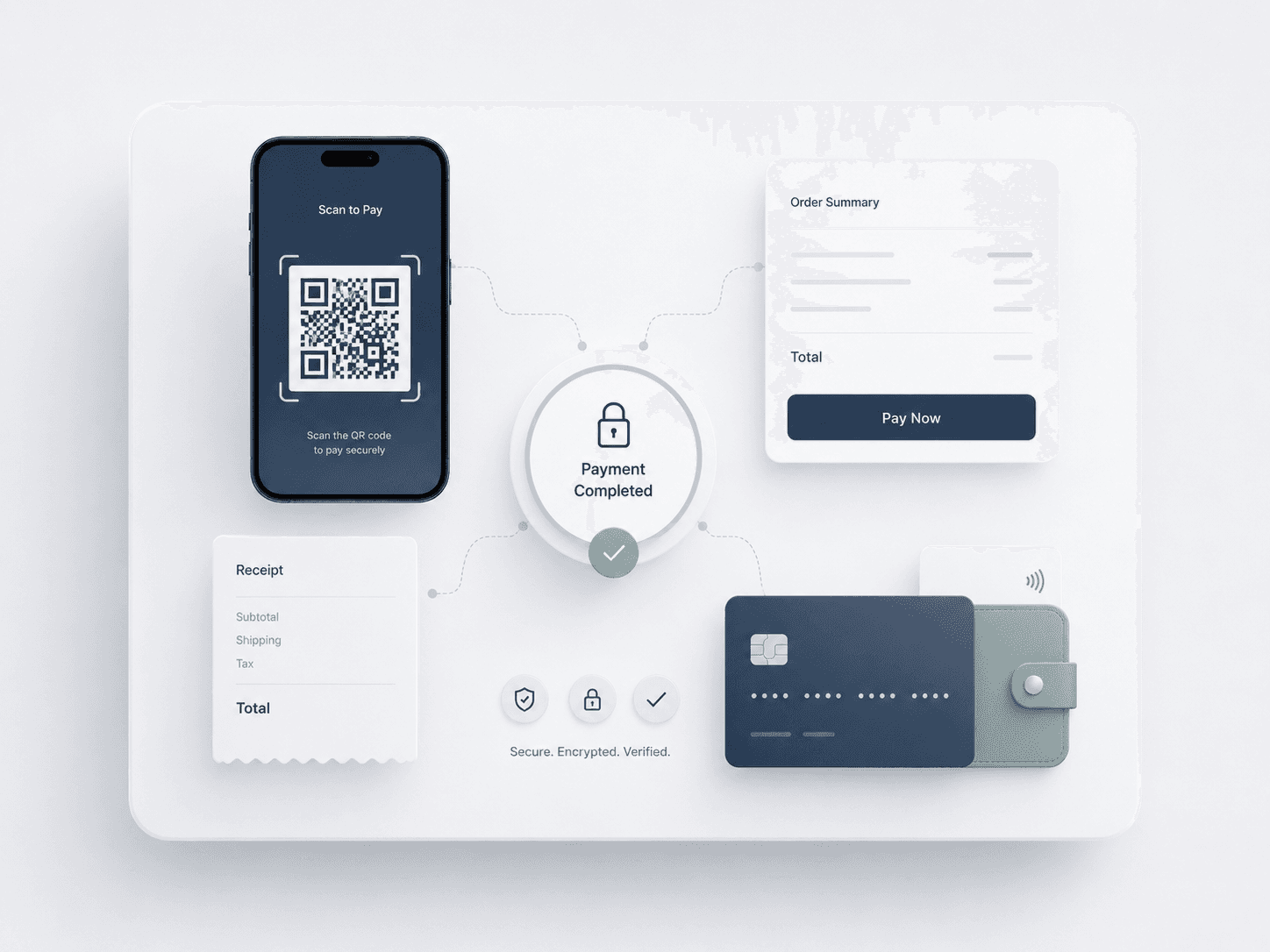
Payment, shipping, tax, status logic and B2B workflows can be planned as part of a considered purchase process.
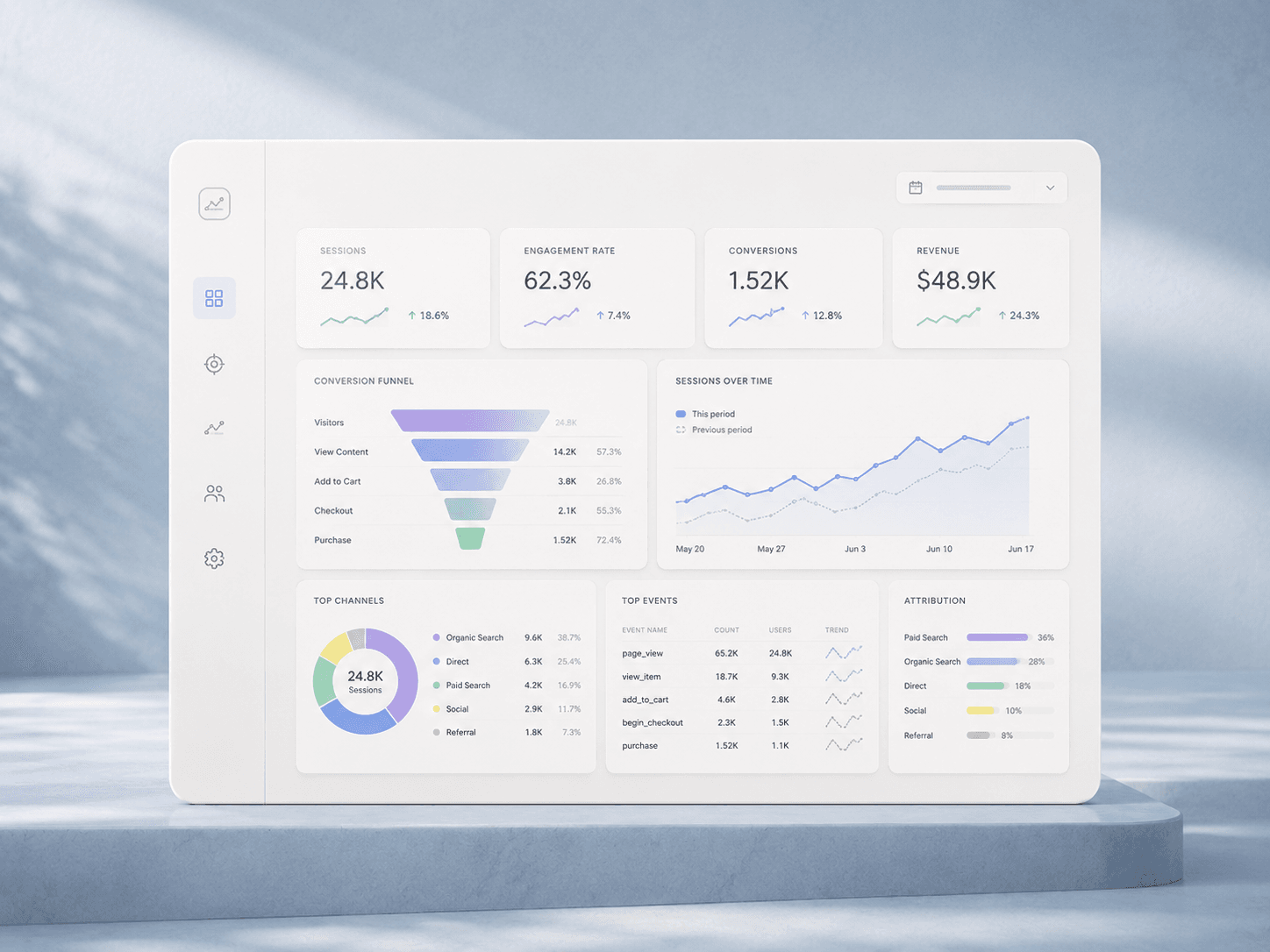
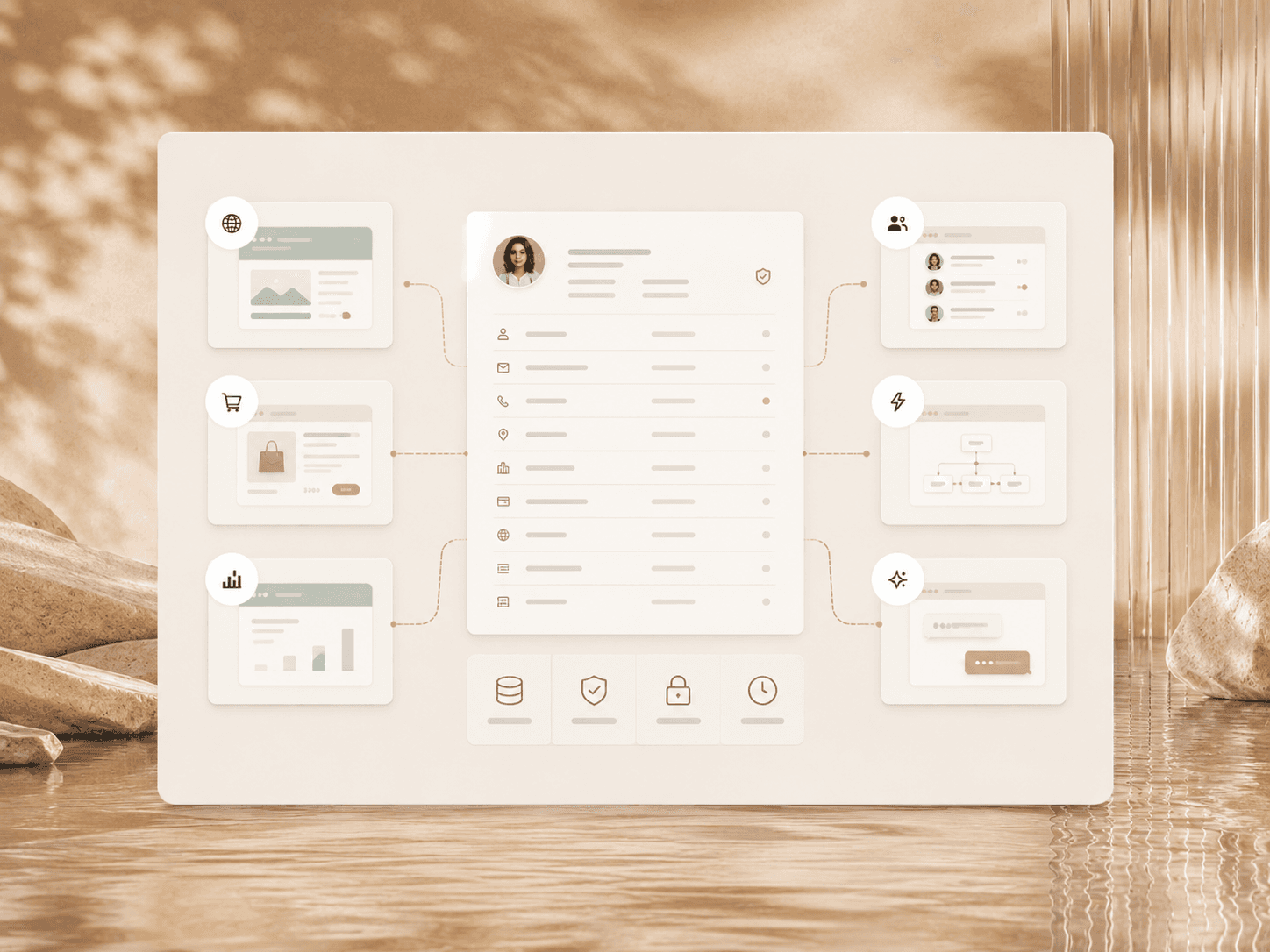
ERP, PIM, CRM, analytics, marketing and automation are connected so product data and orders run cleanly in daily operations.
We guide MedusaJS projects from strategic assessment through storefront, backend, product data and checkout to integrations and ongoing development.
We assess business model, product range, audiences, markets, purchase process and operational requirements before architecture and implementation are defined.
Products, customers, regions, prices, orders and admin processes are structured to fit the sales model.
We develop storefronts that present products with quality, build trust and guide users from first contact through to checkout.
Variants, attributes, categories, bundles, feeds and integrations are planned so maintenance, SEO and sales work together.
Cart, payment methods, shipping logic, tax, status messages and error situations are developed with buyers and operations in mind.
ERP, PIM, CRM, analytics, newsletter, product feeds or automation are connected where they strengthen the shop in daily operations.
Hosting, deployments, monitoring, performance, error handling and new requirements are considered from the start.
For us, MedusaJS is a system for sales, brand, product data, audience guidance and long-term e-commerce development, not just a shop backend.
We start with product range, markets, audiences, prices and internal workflows, then develop a shop that fits the company.
Design, content, product presentation and checkout should build trust and make the purchase feel natural.
Product logic, variants, feeds and integrations are planned so maintenance, SEO and operational workflows remain viable.
Backend, APIs, storefront, hosting and monitoring are treated as one technical setup for growth.
New markets, product ranges, campaigns and integrations remain part of a commerce structure that can continue to grow.
Our work shows the layers that determine quality and daily operation in ambitious MedusaJS projects.
BxW plans and develops MedusaJS shops for companies whose commerce needs more freedom in storefront, product logic, checkout and integrations. We connect e-commerce strategy, web design, frontend, backend, product data, payment and operations.
MedusaJS is suited to headless shops, B2B commerce, international markets, individual product logic, custom storefronts and deep system integrations. MedusaJS is especially strong when shop, data and internal workflows need to be shaped more precisely.
Shopify and WooCommerce are strong when their standards fit the project well. MedusaJS becomes interesting when storefront, product data, checkout, B2B logic or integrations need to be developed more freely.
Customer groups, individual prices, roles, approvals, quotes, regions and specific ordering paths can be planned and developed deliberately with MedusaJS when the commerce model calls for that flexibility.
MedusaJS can be a strong foundation for SEO and performance when storefront, data structure, URLs, metadata, loading speed and content are built cleanly. The architecture alone is not enough. What matters is how consistently frontend, content, technical markup and operations are implemented.
Before a migration, we review product data, URLs, rankings, customers, orders, payment, tracking, integrations and operating workflows. From there, a migration path can be planned that protects existing value and strengthens the shop.
Effort depends on storefront, product data model, checkout rules, payment, shipping, tax, B2B requirements, integrations, admin processes and operations.
After launch, we can take on hosting, monitoring, performance, fixes, new features, integrations and ongoing development, depending on the operating model.
If your shop needs more freedom, stronger product logic and a long-term technical setup, let us look at business model, product range, audiences and systems together.
Start a MedusaJS ProjectBxW Agency
Wir nutzen notwendige Cookies für den Betrieb der Website. Google Analytics laden wir erst, wenn Sie zustimmen.