Chatbots and Assistants
ChatbotRAGAssistant
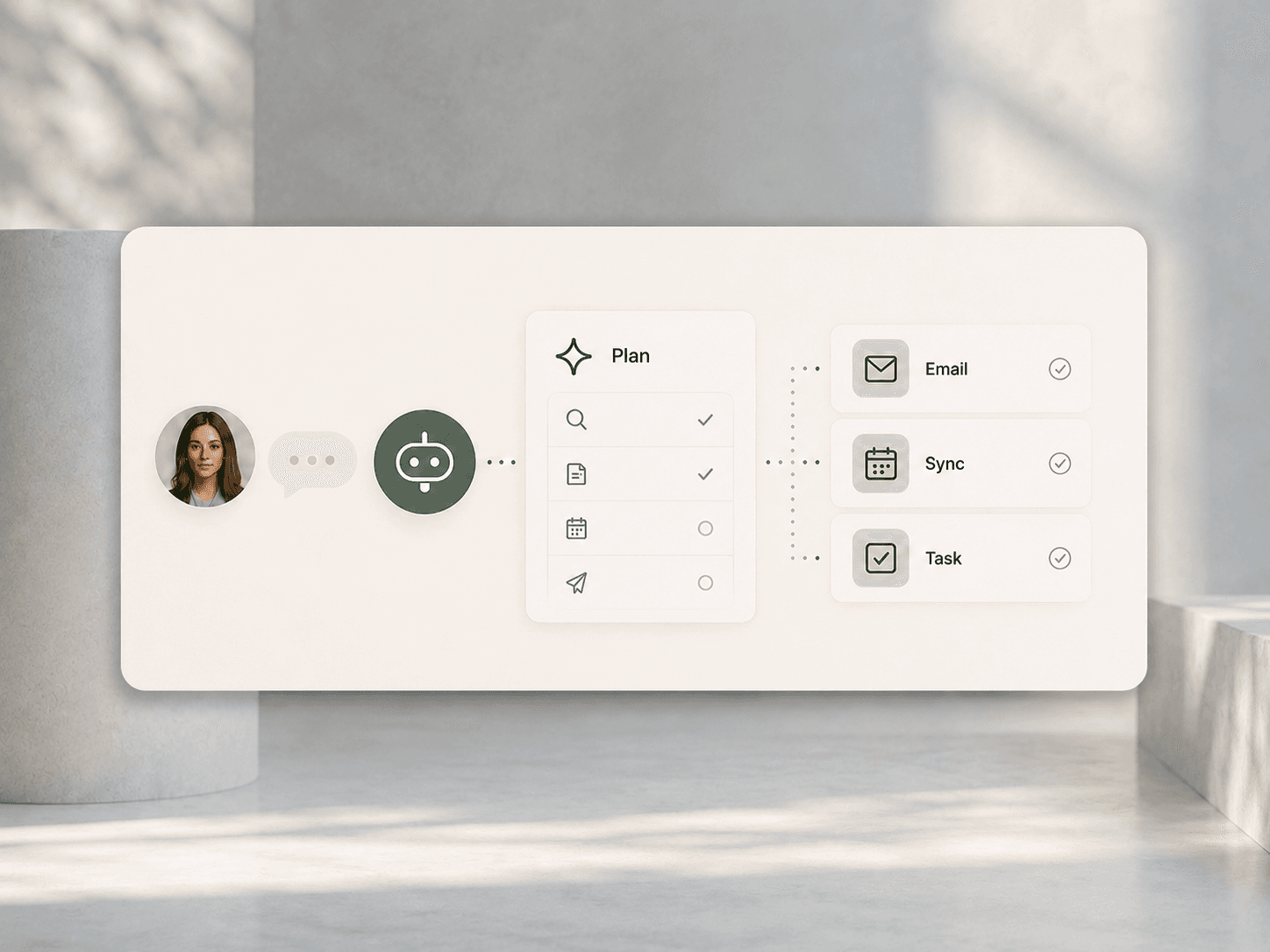
For websites, portals or internal tools that need an intelligent conversational interface based on company knowledge, with RAG, embedding search and a tone that fits the brand.
Build AI
into systems.
We integrate AI into websites, software, CMS platforms and business processes with a deep understanding of data, systems and the context in which AI needs to work as a product feature.
AI models can do impressive things. But between an API and a feature that creates value in daily use, there is more than a function call: data connection, system architecture, user experience, error behavior, operations and a clear understanding of the task the integration should take on.
We combine AI expertise with the integrated view we bring to every project. Whether chatbot, semantic search, document processing or content generation: we design AI features in connection with the systems, data and people that use them. From feasibility and architecture to productive use.
AI integration is useful where existing systems become stronger through intelligent functions, with a clear purpose, real data and a technical connection that fits operations.
For websites, portals or internal tools that need an intelligent conversational interface based on company knowledge, with RAG, embedding search and a tone that fits the brand.
For websites, shops, knowledge portals or document collections where search needs to understand meaning instead of only matching strings, based on embeddings and semantic similarity.
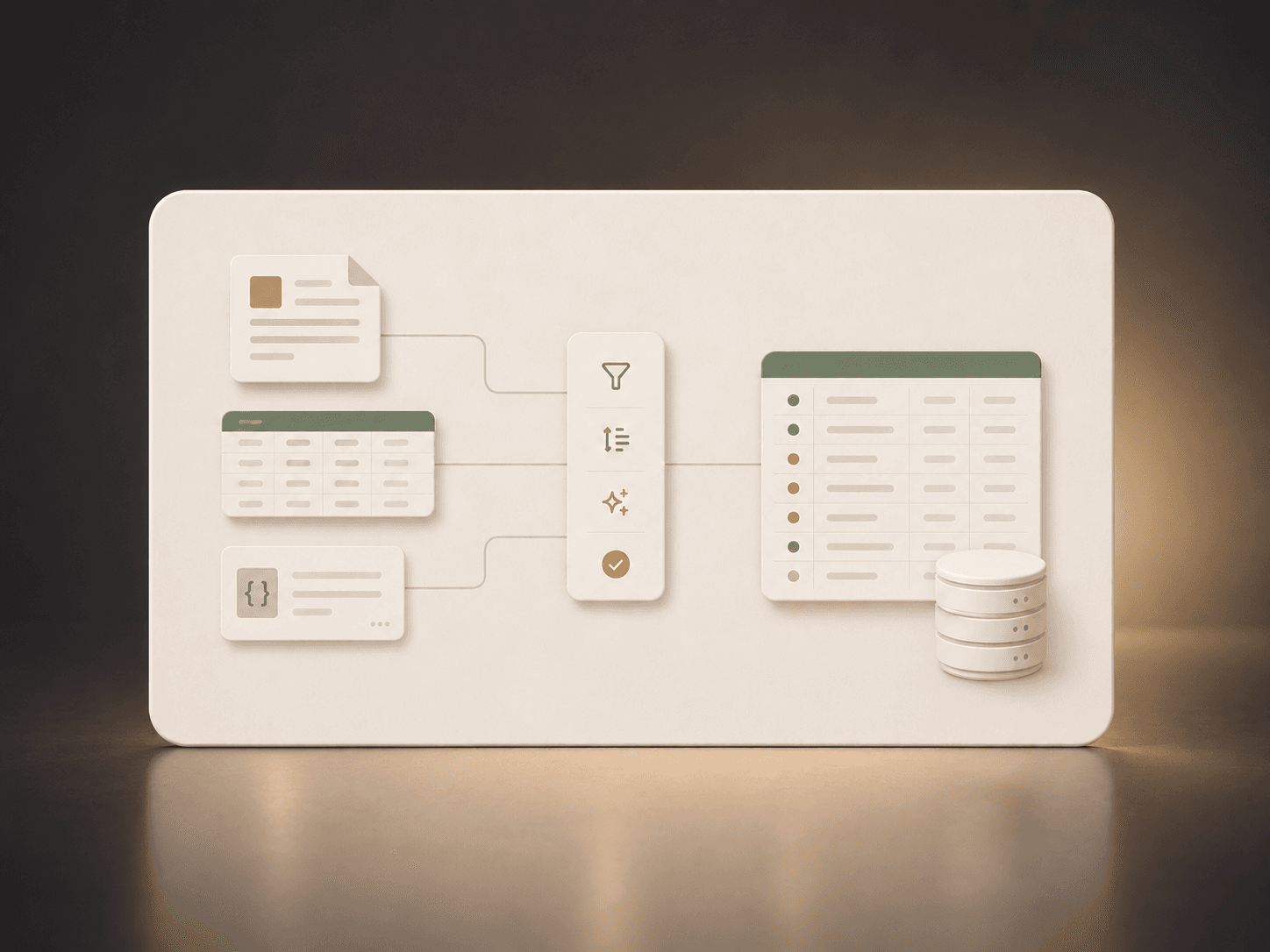
For invoices, contracts, applications or reports that should be read, classified and transferred into existing systems in a structured way.
For CMS platforms and editorial workflows that need AI-supported drafts, translations, quality checks and updates directly inside the publishing process.
For shops, portals and platforms that suggest products, content or next steps based on user behavior, context and semantic similarity.
For inquiries, tickets, data enrichment or decision support, with AI as part of operational workflows connected to CRM, ERP, websites or custom software.
Good AI integration starts with the right assessment: where AI adds value, what it needs and how an experiment becomes a production feature.
AI features become stronger when they work with company data: product catalogs, knowledge bases, customer inquiries, documents or CMS content. The clearer the data foundation, the better the integration can be controlled.
A chatbot that should do everything remains vague. An assistant that answers support questions based on internal documentation can be designed, tested and improved with focus.
AI integrations show their value in daily use: on the website, inside the CMS, in an internal tool or in a customer process. The closer it sits to the workflow, the more important the technical integration becomes.
APIs, databases, CMS structures and permission systems need to be considered. Good AI integration fits into the existing architecture instead of creating a parallel world.
AI results vary. Good integration adds review mechanisms, makes results traceable and gives users control over what the AI produces.
AI integration combines strategy, data, development and user experience. We bring these parts together so the result works in practice.
Identify the right use case, assess the data situation, review technical feasibility and plan the path from experiment to production feature.
Plan the right AI model, integration approach and architecture for embeddings, RAG, vector databases and API integration, aligned with the existing system.
Prepare and connect company data, CMS content, documents and process data so AI models can work with them reliably.
Develop chatbots, search, classification, generation, recommendations and personalization with LLM APIs, Python, TypeScript, own infrastructure or open-source tools.
Embed AI features into websites, CMS platforms, portals, internal tools, CRM and business processes as a natural part of the application, with permissions, interface and feedback mechanisms.
Monitoring, quality assurance, model updates and iterative improvement so AI features remain reliable after launch and can continue to develop.
AI integration needs more than model knowledge. It needs understanding of the systems, data and processes AI is embedded into, and sensitivity for the people who use it.
We build websites, work with data and develop AI features. This combination makes integrations possible without losing direction between strategy, development and data logic.
LLM APIs, RAG architectures, embedding search, vector databases, prompt engineering - we develop with Python, TypeScript and our own infrastructure. We use open-source tools when they fit the project.
An AI feature is only as good as the interface through which it is used. We come from web design and make sure AI functionality fits naturally into the application.
Sales, support, editorial teams and operations each have their own logic. We can assess where AI fits and where clear rules, automation or better data structure matter more.
We support AI features beyond the prototype: monitoring, quality assurance, model updates and iterative improvement during ongoing operation.
Projects where AI expertise, data logic and system understanding come together.
AI integration means embedding an AI model into an existing system: a website, CMS, internal tool, portal or business process. It includes data connection, interface, permissions, error behavior, monitoring and a clear purpose. The difference from a prototype is that the integration can be used and operated productively.
We integrate chatbots and assistants, intelligent search, document processing, content generation and review, recommendation systems, personalization, classification and AI-supported qualification in business processes. What matters is that the feature fits the data, architecture and usage context.
We work with LLM APIs from OpenAI, Anthropic and other providers, RAG architectures, embeddings, vector databases, Python, TypeScript and open-source tools. Technology is chosen based on use case, data, privacy, operations and the existing system landscape.
For most valuable features, yes. AI becomes useful when it works with company data such as product catalogs, knowledge bases, CMS content, support inquiries or documents. We help prepare, structure and connect this data with appropriate access rules.
It depends on use case, data situation, target system, interface and quality requirements. A compact RAG chatbot on existing content is different from an integration with several systems, data preparation and a custom user interface. We first clarify the most useful entry point and plan from there.
In many cases, yes - through APIs, server-side integration, CMS extensions or custom components. This works with WordPress, Next.js, Shopify and many other systems when data access, permissions, interface and operations are planned carefully.
Through clear input boundaries, a good data foundation, review mechanisms, feedback loops and monitoring. AI results are probabilistic. Good integration makes results traceable, limits risks and gives users control over approval, correction or further processing.
Yes. AI features need support because data, models, requirements and usage behavior change. We support monitoring, quality assurance, model updates, workflow adjustments and iterative improvement based on real use.
The best way to find where AI can make the biggest difference inside your systems is to look at the use case, data and integration path together.
Discuss AI IntegrationBxW Agency
Wir nutzen notwendige Cookies für den Betrieb der Website. Google Analytics laden wir erst, wenn Sie zustimmen.