Operational Workflows
WorkflowsRulesHandovers
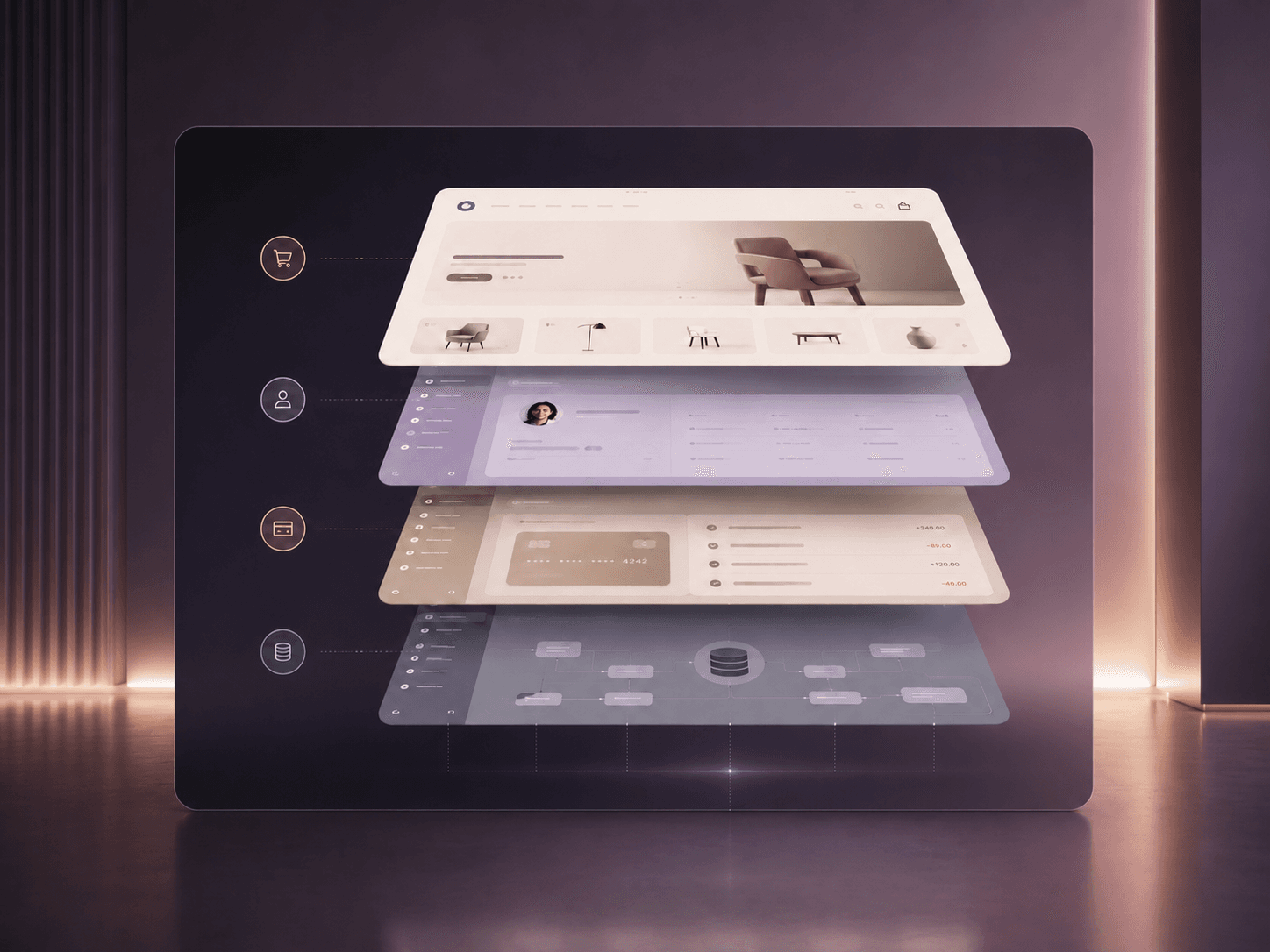
Workflows for leads, requests, orders, approvals and status changes with clear rule logic and clean handovers between teams and systems.
Automation
With Foresight.
We develop automations for processes, data and systems - with a clear understanding of business logic and the technical depth reliable workflows need.
Automation becomes valuable where business logic, data and systems come together. A lead that is routed and answered correctly. An order that reaches inventory, accounting and shipping at the same time. A report that compiles itself from current sources. Workflows like these need more than a workflow tool - they need an understanding of the process and the technology that carries it.
We combine process understanding, technical depth and experience with APIs, data, AI and infrastructure to develop automations that run reliably in daily operations and can adapt when workflows change.
Automation can mean many things, from a single data sync to a fully orchestrated business process. These are the projects we see most often.
Workflows for leads, requests, orders, approvals and status changes with clear rule logic and clean handovers between teams and systems.
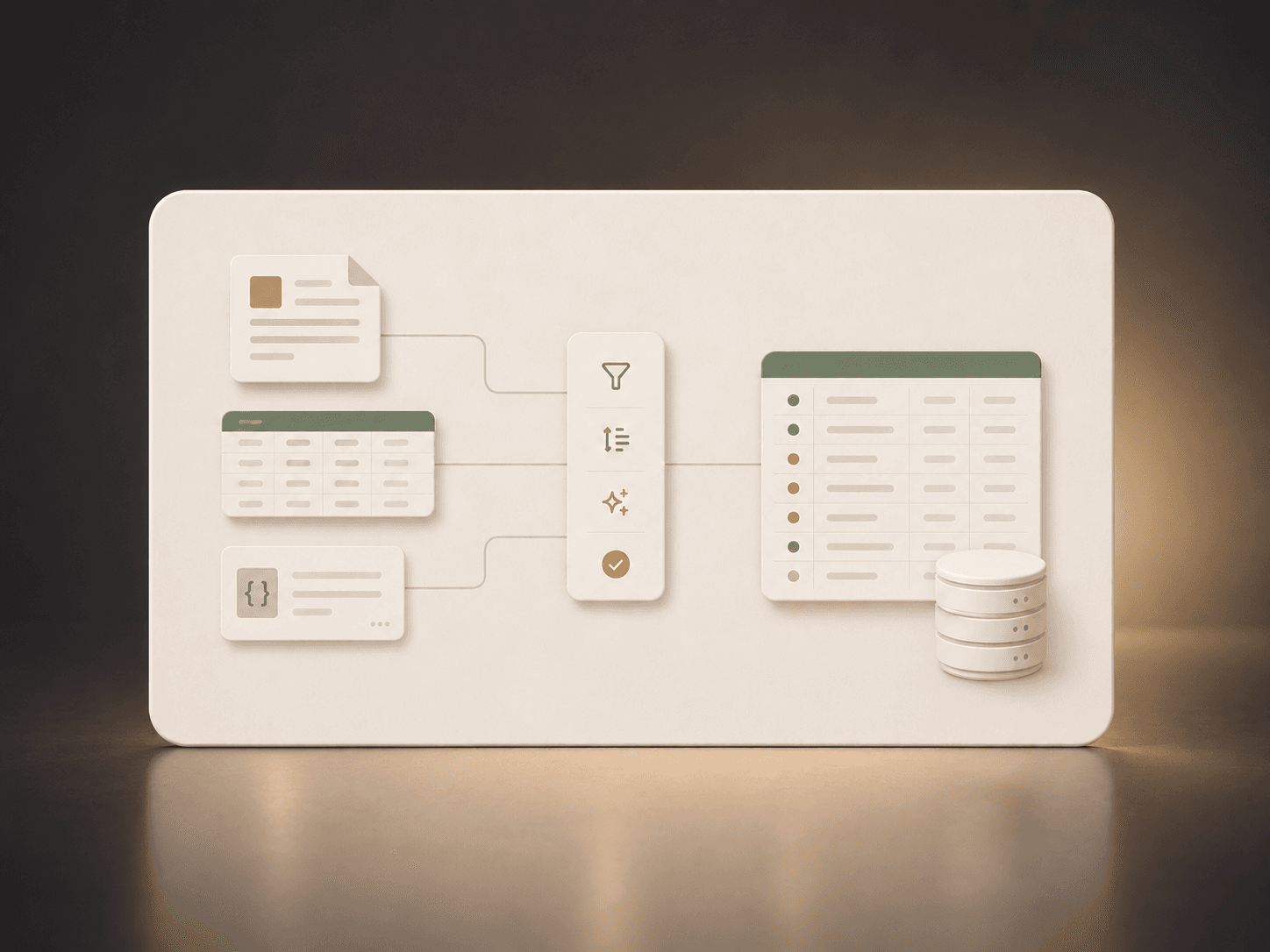
Automated data handovers between CRM, shop, accounting, website and internal tools - cleaned, validated and in the right format.
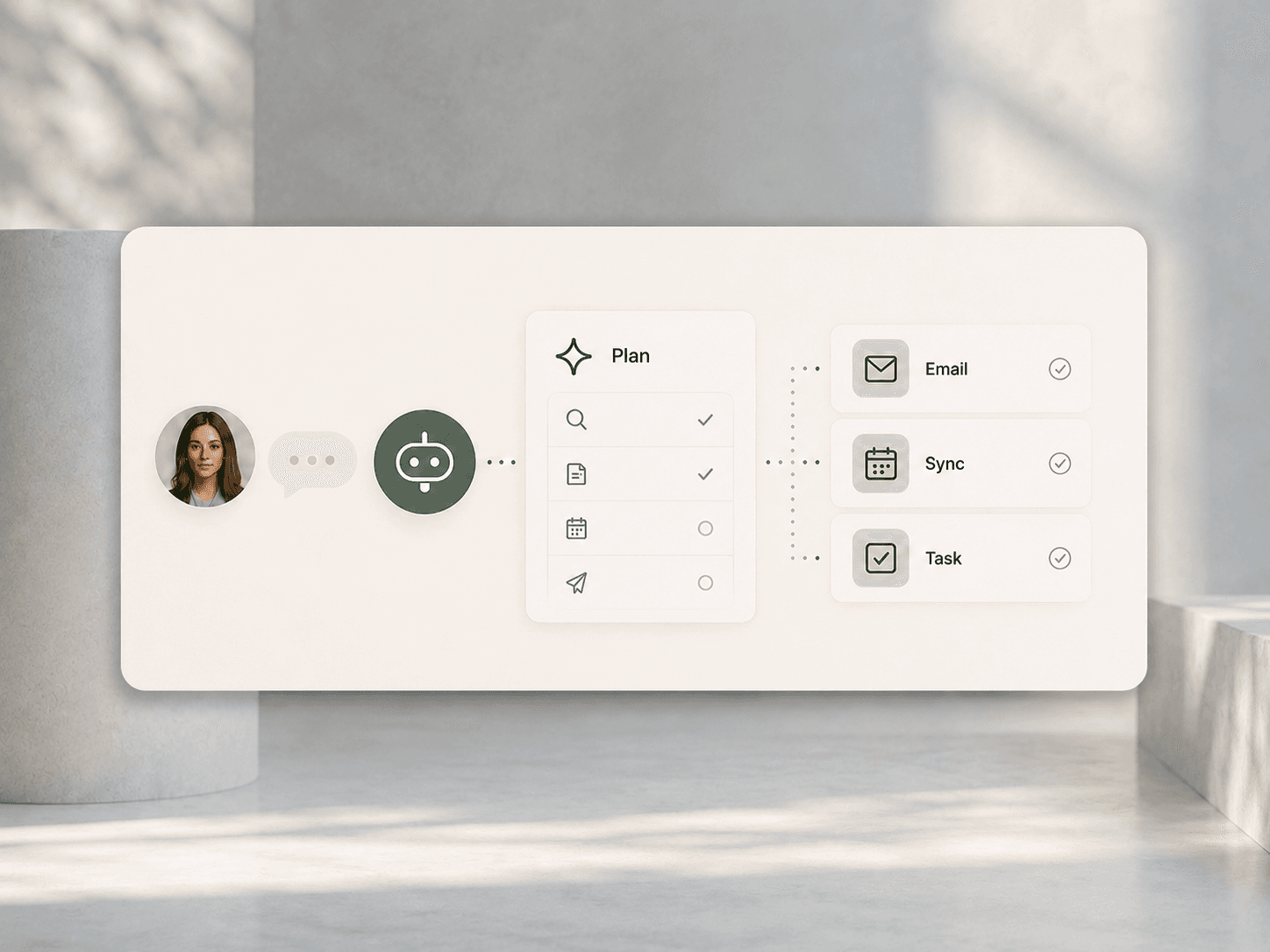
Processes that include classification, extraction, evaluation or context-based decisions where rule-based logic alone is not enough.
Automated reports, dashboards and alerts that bring current data from different sources together and make anomalies visible.
Automated checks for data quality, consistency and completeness in running processes and system handovers.
Connecting systems, tools and channels into a working end-to-end flow - technically and logically, with clear error handling and monitoring.
Good automation works because the process behind it is understood, not because the right tool was chosen.
Which steps follow one another, which rules apply, where do exceptions exist? Automation built on an unclear process automates chaos.
Not necessarily the most obvious workflow, but the one with the strongest ratio of effort to impact. Good prioritization saves project time and produces visible results faster.
Every workflow meets cases that were not expected. Good automation recognizes this and knows when a person needs to take over.
Automations change with the company. Documentation, monitoring and understandable logic are part of the quality.
Saved hours, fewer errors, faster response times. Good automation makes its value measurable.
We connect process analysis, technical implementation and operational support so automation does not only work once, but keeps working.
We understand existing workflows, identify the places with the strongest leverage and develop an automation plan prioritized by impact.
Conditions, exceptions, status changes, responsibilities and escalation paths are translated into clear rules - the foundation reliable automation works from.
APIs, webhooks, databases, queues, triggers and schedules connect into workflows that run reliably and remain traceable.
Where rule-based logic reaches its limits, we add AI for classification, extraction, text generation, evaluation or context-based decisions inside automated workflows.
Automations are tested with real scenarios, including cases that can go wrong. Monitoring and alerting make ongoing operations controllable.
When workflows change, we adapt rules, integrations and logic. Monitoring shows what is running and where the next useful step sits.
Automation connects process understanding, data, integrations, infrastructure and often AI. We bring these areas together in one team.
We do not automate what is technically possible, but what serves the project. The workflow, its rules and its exceptions come first.
APIs, databases, webhooks, queues, AI models, hosting - from one team instead of assembled fragments.
Some workflows need clear rules, others need AI. We know where each approach fits and combine both when it makes sense.
Documentation, monitoring, understandable logic. What we build remains maintainable for the people who work with it afterwards.
The first automation is rarely the last. We support the path of moving more workflows into reliable systems step by step.
We analyze existing processes and show where automation has the strongest leverage, with a concrete view of effort and impact.
Discuss PotentialProjects where processes, data and systems were connected into workflows that work in daily operations.
We develop automations for operational workflows, data flows, system handovers, reporting, quality assurance and AI-supported processes. From analysis of existing workflows to concept, implementation and ongoing operations.
Wherever workflows follow rules and can be represented technically. Increasingly also where AI can support human assessment, such as classification, text processing, analysis or context-based decisions.
Automation connects existing systems and workflows. Software development builds new ones. In practice, both often overlap - the starting point is different.
Not always. Many workflows work very well with clear logic and API connections. AI becomes interesting when decisions depend on context, unstructured data needs processing or the task is too varied for fixed rules.
That depends on scope. Some automations can be implemented compactly, while more complex projects with several systems and AI need more preparation. We start with what creates the strongest effect and expand from there.
Essentially any system with an API or technical interface: CRM, ERP, shop, accounting, project management, email, databases, cloud services and internal tools.
Yes. We analyze what exists and decide together whether optimization or a rebuild is the better path.
Through understandable logic, documentation, monitoring and clear responsibilities. We design systems so they can be maintained by the people who work with them every day.
By concrete changes: saved time, fewer errors, shorter response times, higher throughput. Good automation makes its value visible.
Yes. Workflows change, systems evolve and new requirements appear. We adapt rules, integrations and logic and support step-by-step expansion.
Whether it is a specific workflow or the question where automation has the greatest leverage, we are happy to think it through with you.
Discuss AutomationBxW Agency
Wir nutzen notwendige Cookies für den Betrieb der Website. Google Analytics laden wir erst, wenn Sie zustimmen.