Digital Products and SaaS Applications
For web apps, platforms and SaaS products with user management, data models, business logic and an architecture that works from the first user to scaled operation.
Supabase.
From Data Model to Product.
We build digital products, data platforms, internal tools and AI applications on Supabase - with a data model that fits the business model and a wider view of users, roles, interfaces, integrations and long-term operation.
Supabase brings PostgreSQL, authentication, automatic APIs, realtime features, storage, serverless logic and vector search into one open-source platform. For companies, this creates a modern foundation for digital products, data platforms, customer portals, internal systems and AI applications - without being locked into a closed vendor and with the strength of one of the world's most capable databases.
That potential only becomes useful when the architecture is right. How the data model is built, how roles and permissions work, where business logic lives, how systems connect and how the product can evolve determines whether a Supabase project works beyond the demo. That is where we start: we understand the project before creating the first table and build systems that work in everyday use.
Supabase is a foundation for projects where data, users, logic and systems need to work together intelligently, from digital products to company-wide data hubs.
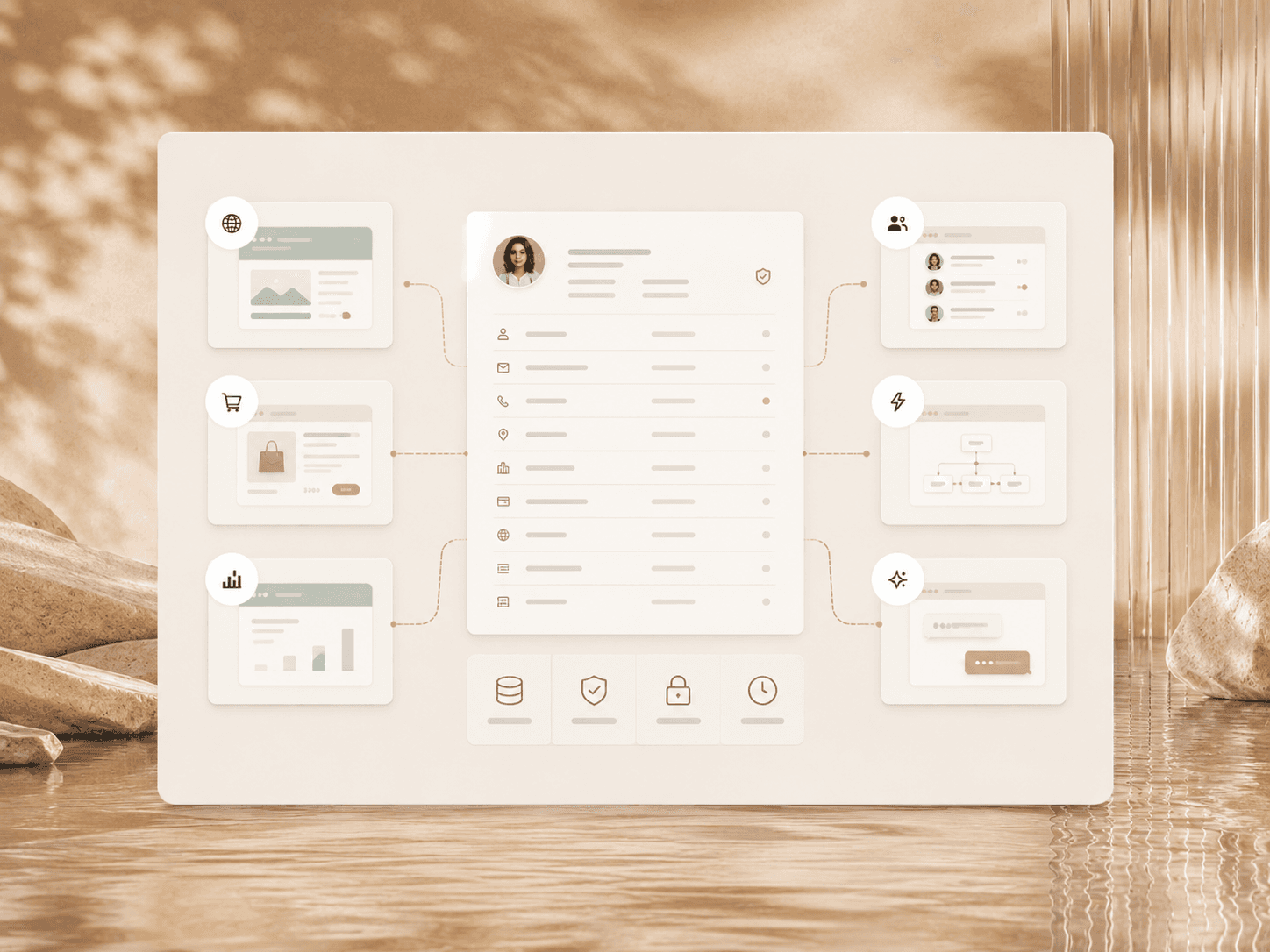
For web apps, platforms and SaaS products with user management, data models, business logic and an architecture that works from the first user to scaled operation.
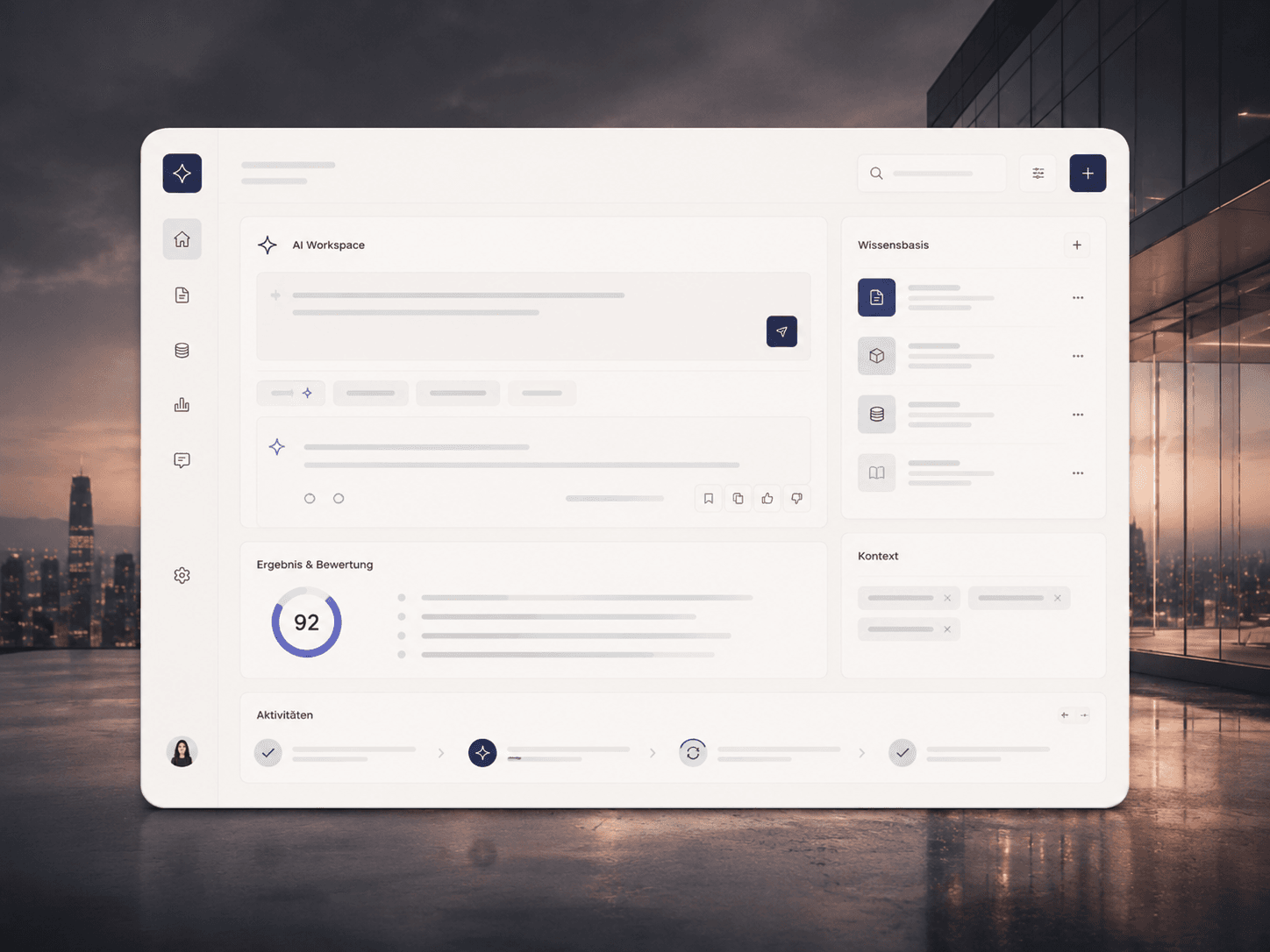
For companies that want to bring business data from different sources together and make it available for products, reporting, teams and decisions.
For applications where customers, partners or members can access and manage their own data, documents, orders or cases with clear roles and secure permissions.
For teams that want to replace spreadsheets, manual routines and distributed information with tools shaped around how they actually work.
For products that need vector search, embeddings, contextual answers or AI-supported analysis on a data foundation with quality, context and permissions.
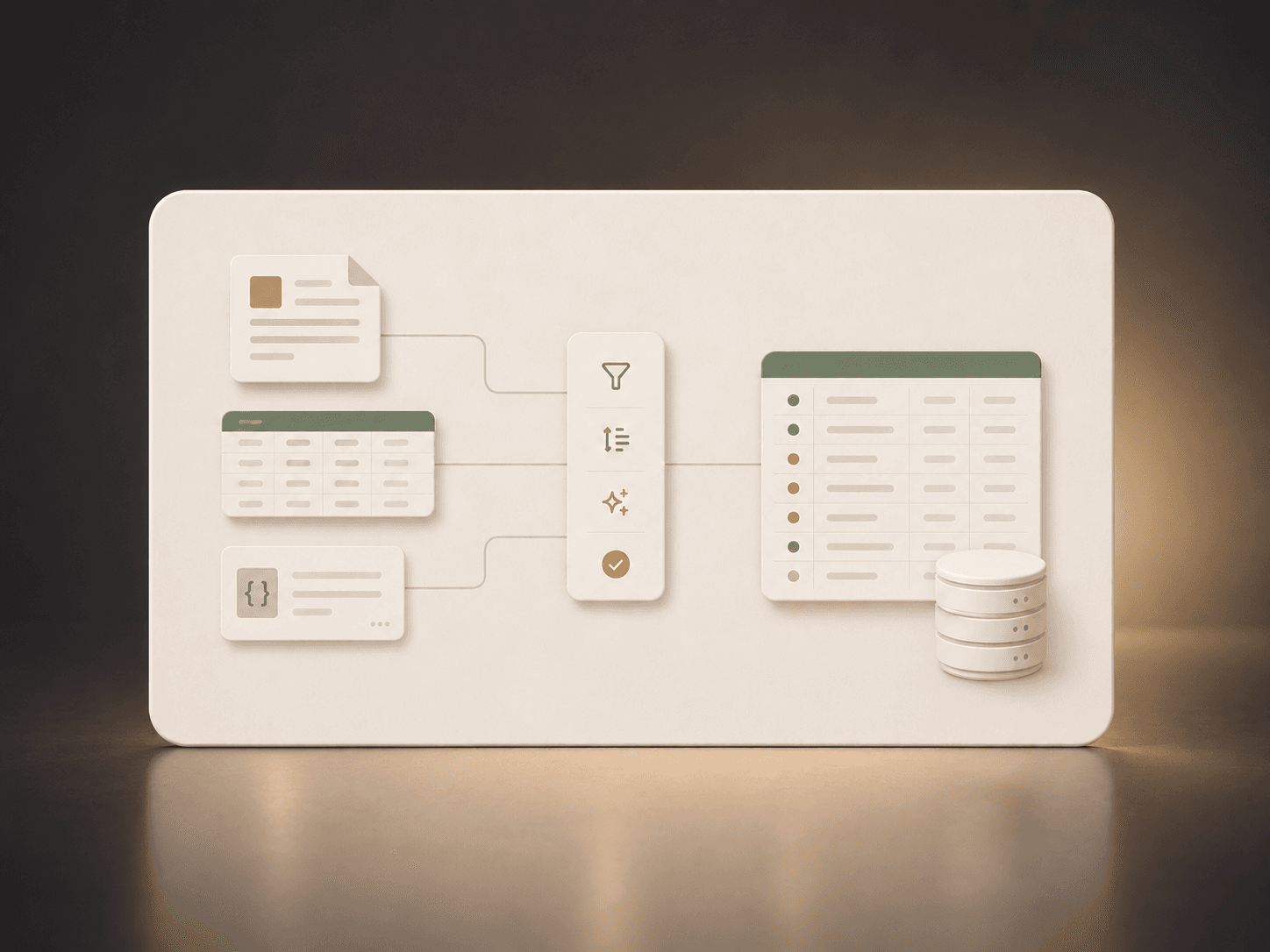
For workflows that should run without manual effort: imports, transformations, status changes, notifications, scheduled tasks and connections to CRM, ERP, payment or analytics systems.
Supabase is not a finished solution. It is a platform that becomes strong when data architecture, security, APIs and product logic are deliberately built.
A powerful open-source relational database with JSON support, full-text search, vector indexes, triggers, functions and the maturity of decades in production.
Authentication, role management and database-level security rules so access is controlled where the data actually lives.
Tables can be made available through REST and GraphQL interfaces. Realtime subscriptions push changes to connected clients without building extra infrastructure.
Serverless functions for business logic, webhooks, background processes and integrations without operating separate servers or additional infrastructure.
No vendor lock-in, self-hosting options, transparent development and the freedom to adapt data, architecture and platform to specific requirements.
Supabase projects at BxW bring data architecture, security, integrations, interfaces and operations into one process, so a platform becomes a working product.
We understand the business model, users, data flows and existing systems before architecture is decided. From there we define which data the product needs, how users work with it and which systems need to connect.
Tables, relationships, indexes, views, functions and triggers are designed to match the domain, query efficiently and support future extension. The data model is the decision that lasts longest.
Login methods, user roles, Row Level Security policies and access rules are planned so every user sees and does exactly what their role allows - understandable, secure and practical.
We develop APIs, webhooks, data flows and integrations for frontends, mobile apps, existing systems, third-party providers and automations so information arrives where it is needed.
Dashboards, admin areas, customer portals and product interfaces are designed and developed in the same process. The backend becomes visible in interfaces that users and teams can actually work with.
Embeddings, vector indexes, contextual queries and AI-supported functions are built on the Supabase data layer for semantic search, recommendations, RAG systems and AI products with real product ambition.
We support migrations, logs, performance, backups and new requirements over time, so a Supabase project remains understandable as the first version becomes long-term operation.
Supabase projects need more than database knowledge. They need a view of the product behind the tables and a team that thinks data architecture, interfaces, integrations and operations together.
We understand product, users, processes and goals before tables and policies are created. The data model becomes a reflection of the business model, not a technical exercise.
We do not only build the database. We also design and develop the interfaces that work on top of it. Concept, design, frontend, backend and operations come from one team.
Supabase projects often touch several areas at once. BxW brings together the expertise from all four verticals that matter for this work, without forcing clients to coordinate separate specialists.
We work with Supabase because we believe in open source: transparency, control, less dependency on one closed vendor and technology shaped by a strong community.
After launch, we stay available for new features, data model extensions, performance, security and the question of how the product should evolve.
We review data model, policies, API usage, performance and architecture in existing Supabase projects and define concrete improvements, whether the next step is optimization, extension or structural rebuild.
Request a Supabase AuditThe foundations that decide the quality of Supabase projects also show in our wider work with data, systems and digital products.
BxW develops digital products, data platforms, customer portals, internal tools and AI applications on Supabase. We cover consulting, data architecture, auth and security, API development, frontend design, AI integration and long-term operation. The difference: we understand business model and users before designing the technical architecture.
Supabase is an open-source platform that combines PostgreSQL, authentication, automatic REST and GraphQL APIs, realtime subscriptions, file storage, serverless functions and vector search. It is an alternative to Firebase with PostgreSQL as the foundation, open source as the principle and more independence from closed ecosystems.
Supabase is suitable for web apps, SaaS products, customer portals, internal tools, data platforms, AI applications, automation systems and projects where relational data, user management, permissions and APIs play a central role.
Firebase is a proprietary Google platform with a strong ecosystem and NoSQL-oriented databases such as Firestore. Supabase is built on PostgreSQL and open components, with relational data models, SQL, Row Level Security, vector search and self-hosting options. For projects with complex data relationships, role logic, data ownership and long-term extensibility, Supabase is often the better fit. For other product requirements, Firebase can still make sense.
We do not only develop the Supabase backend, but also design and build the interfaces that work on top of it: dashboards, portals, admin areas, product interfaces and user flows. Concept, design and development come from one team, so backend and frontend fit together.
Supabase can be a strong foundation for AI applications when data model, permissions and retrieval logic are planned well. PostgreSQL supports vector indexes through pgvector, which makes semantic search, embeddings, RAG systems and contextual AI features possible on the same data foundation.
We start with the business model, user roles and data flows of the project. From there we derive entities, relationships, access rules and extension paths. Tables, views, indexes, functions and policies are designed so the data model fits the domain, queries efficiently and can support future requirements.
Cost depends on the role Supabase plays in the project: data model, auth, roles, APIs, frontend, AI features, integrations and operations can have very different depths. An internal tool with clear logic is a different project from a production customer portal with multiple roles, data migration and system integrations. We clarify target state, scope and operational responsibility first.
Supabase may not be the right foundation when the project needs highly specific server logic, special infrastructure compliance, a NoSQL data structure or direct control over runtime and networking. We evaluate Supabase honestly and recommend the foundation that best supports product, data and operations long term, even when that means another technology.
We can take over existing Supabase projects when data model, policies, API usage, performance, security and architecture can be reviewed properly. Whether the project needs optimization, extension or structural rebuild, we begin with a technical and domain-level view of the parts that slow down or put the product at risk.
Whether digital product, data platform, customer portal, internal system or AI application, the best starting point is a clear conversation about the project, the data and what Supabase should make possible.
Discuss SupabaseBxW Agency
Wir nutzen notwendige Cookies für den Betrieb der Website. Google Analytics laden wir erst, wenn Sie zustimmen.